

Introduction:
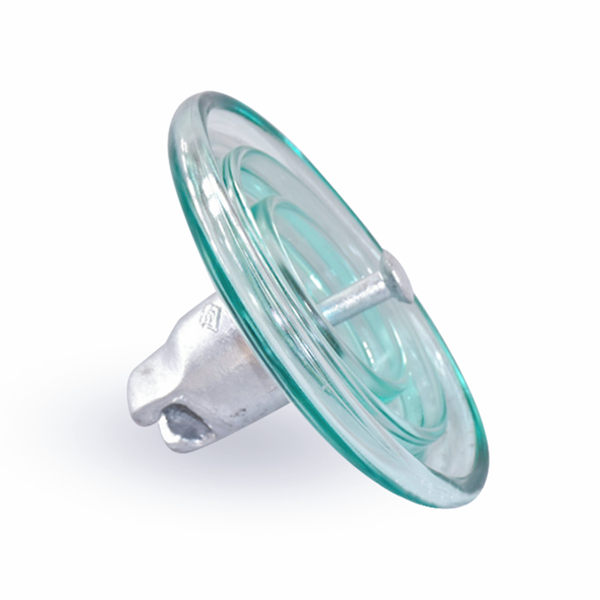
The ball-and-socket connection brings flexibility and reliability to high-voltage transmission lines. Designed specifically for cap-and-pin insulators, this connection method forms the literal link between insulator units or between insulators and other hardware.
How It Works:
Like interlocking pieces of a puzzle, the ball head of one insulator nests perfectly into the socket of the next. This "head-to-tail" connection allows insulators to be strung together efficiently, forming long insulator strings capable of supporting heavy conductors high above the ground.
Key Advantages:
l Unmatched Flexibility: Functioning similarly to a human ball joint, this design offers near 360-degree rotational freedom. This flexibility is critical for absorbing wind-induced conductor movement, ice loading vibrations, and thermal expansion/contraction stresses without transferring damaging forces to the tower structure.
l Ease of Installation & Maintenance: Insulators snap together quickly without bolts, welding, or complex tools. This simplicity is vital for both initial construction and especially for live-line maintenance (hot sticking), allowing crews to safely replace individual units on energized lines.
l Direction-Free: There are no alignment constraints during assembly.
The Security Secret: The Cotter Pin
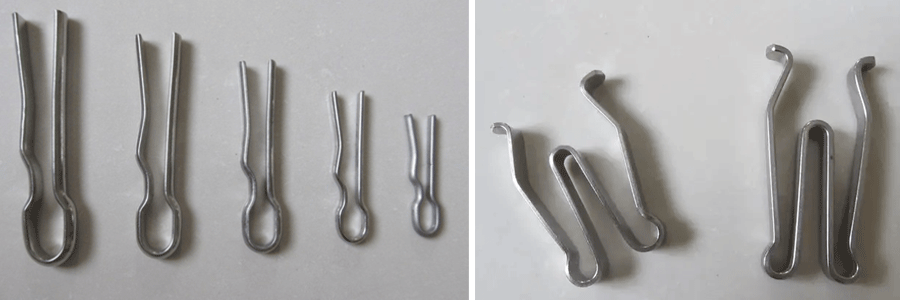
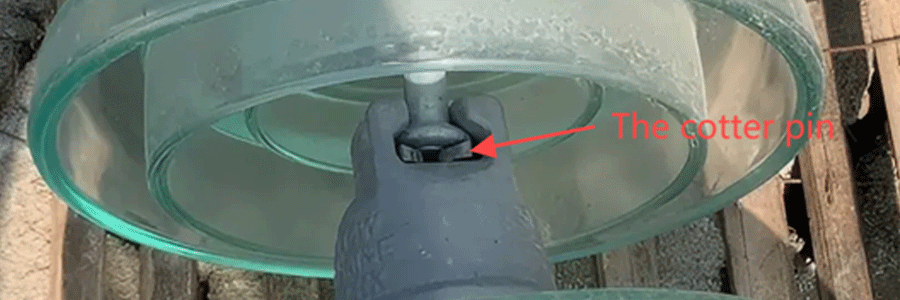
While seemingly just a simple "ball-in-cup" design, security is paramount. How does the ball stay locked within the socket under immense tension and vibration? The answer lies in a small but vital component: the cotter pin (or spring clip).
The ball is inserted into the socket.
A spring-loaded cotter pin is slid horizontally through aligned holes in the socket and across the neck of the ball head.
This pin acts as a positive locking mechanism, physically blocking the ball from retracting out of the socket. The connection remains secure unless the cotter pin itself fails or is removed.
Conclusion:
The ball-and-socket connection, secured by its dependable cotter pin, is a masterpiece of utility-focused engineering. It delivers the crucial blend of mechanical strength, dynamic flexibility, and ease of handling required for the demanding environment of overhead power transmission. This robust and adaptable joint remains the global standard for connecting suspension insulator strings, ensuring grid reliability through decades of service.