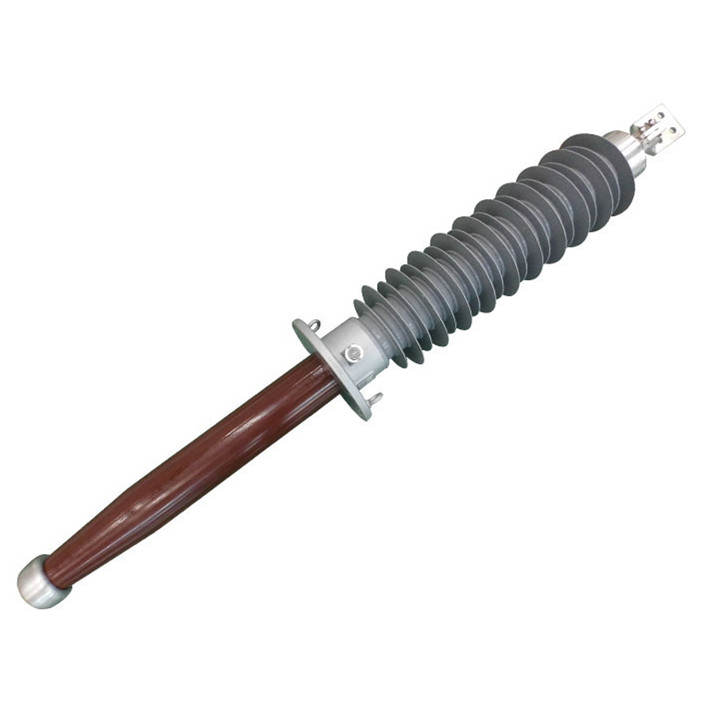

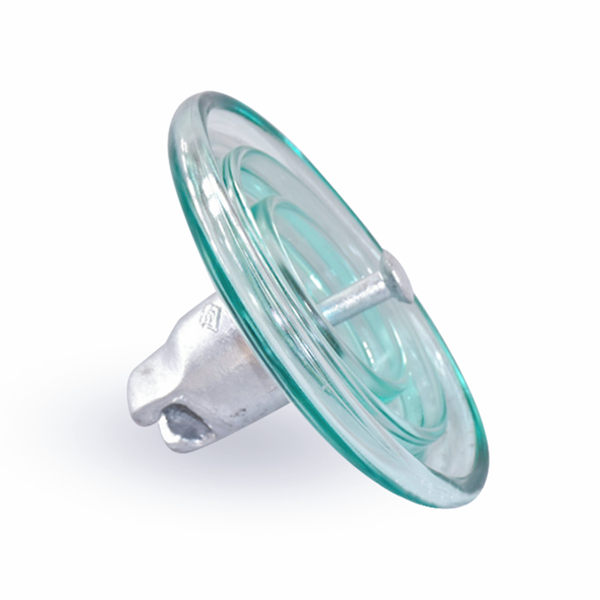
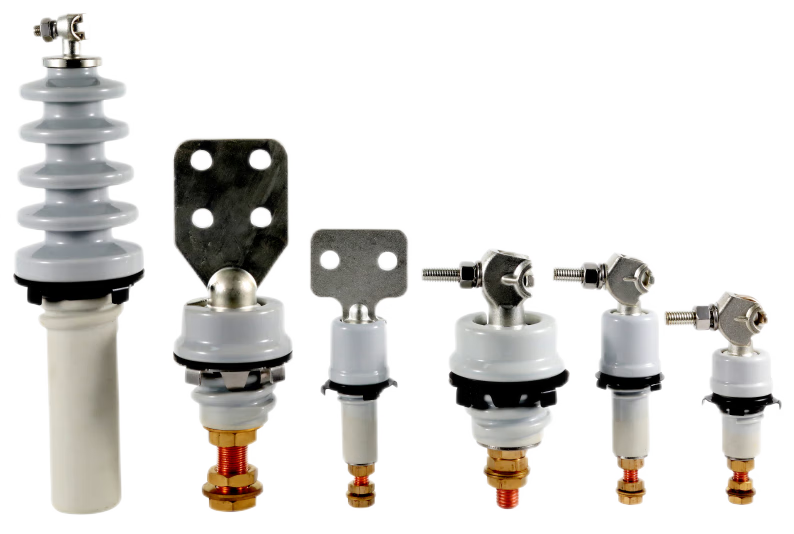

Insulators and bushings are related components used in electrical systems, particularly in transformers and other high-voltage equipment, but they serve different purposes.
Insulators:
Function: The primary function of insulators is to provide electrical insulation and prevent the flow of electric current between two conductive parts with different potentials. They are used to support and separate electrical conductors, preventing unintended electrical contact or short circuits.
Design: Insulators are typically made of materials with high electrical resistance, such as ceramics, glass, or polymer composites. These materials are chosen for their ability to resist the flow of electricity.
Applications: Insulators are used in various parts of electrical systems, including overhead power lines, insulator strings on transmission towers, and insulating supports for electrical components.
Bushings:
Design: Bushings can be oil-filled or dry-type and are designed to provide insulation and support for the conductors while ensuring a sealed environment. They often have seals and gaskets to prevent oil leakage and maintain the integrity of the insulating oil.
Applications: Bushings are commonly used in transformers, circuit breakers, and other high-voltage equipment where electrical conductors need to pass through insulating barriers.
In summary, while both insulators and bushings contribute to electrical insulation, insulators are generally standalone components used to separate and support conductors. In contrast, bushings are specialized components designed to insulate, support, and seal conductors passing through barriers in equipment like transformers.
The choice between insulators and bushings depends on the electrical system or equipment’s specific requirements and design considerations.