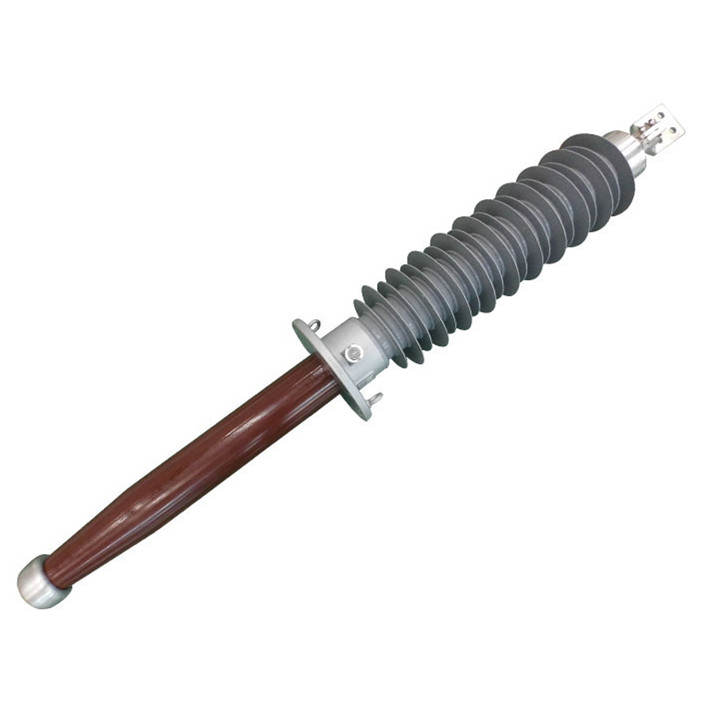

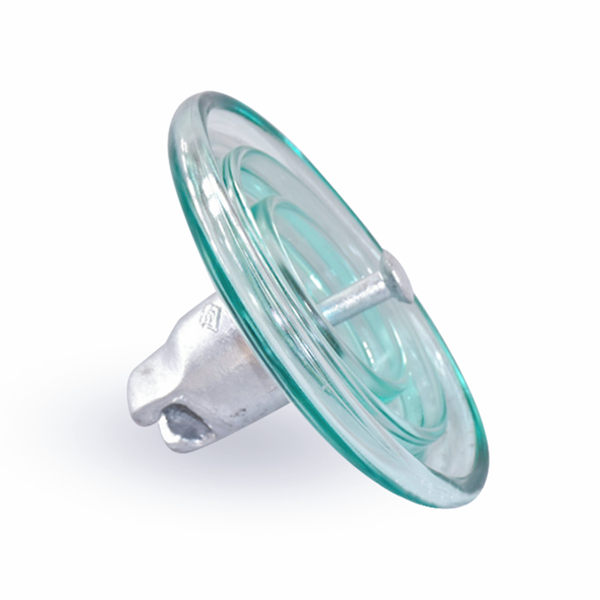
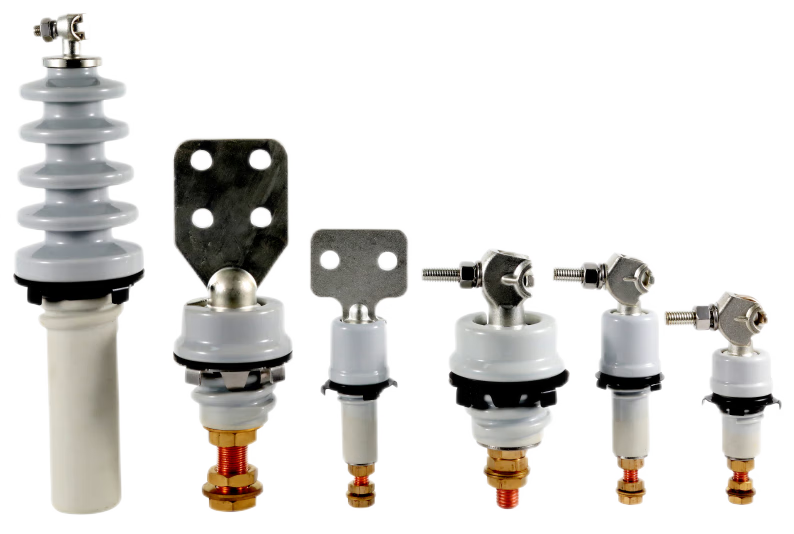

There are two main types of bushings used in padmount transformers – live front and dead front bushings. With live front, a part of the conductor is exposed, whereas with dead front, the conductor is completely enclosed inside an effective insulating material such as epoxy, EPDM rubber, and/or nylon resin.

The primary bushings in pad mounted transformers are located on the left hand compartment in the cabinet, and the secondary bushings are in a right hand compartment. The two compartments are separated by a metal barrier.
The difference between primary and secondary bushings on padmounts is the voltage and amperage they are designed to carry. The primary / high voltage bushings are designed to support a voltage several times higher than the lower service voltage which the transformer is stepping the power down to. Since voltage and amperage have an inverse relationship (higher voltage = lower amps; lower amps = higher voltage), the current carrying capacity is typically much larger on the secondary / low voltage side of the transformer.
Due to the higher voltages on the utility side, primary/HV bushings are often the dead front type. The fully insulated dead front apparatus limits exposure to higher voltages and reduces the risk of arc flash for utility workers and other qualified persons accessing the HV cabinet while the transformer is energized. Another advantage of dead front bushings is that they reduce electrical clearances between bushings—allowing for a smaller overall cabinet size. The live front bushing type is still occasionally used for primary/HV bushings, however, it is less prevalent nowadays in padmount transformers.
Because the dead front interface typically allows only one cable connection per elbow connector, it is uncommon to see it used for transformer secondary/LV terminations (where multiple cables are landed on each phase). The most common dead front interface (load break) has a current carrying capacity of 200 amps; 600 and 900 amp ratings are available with non-loadbreak (or deadbreak) type interfaces as well.