

Porcelain Insulator
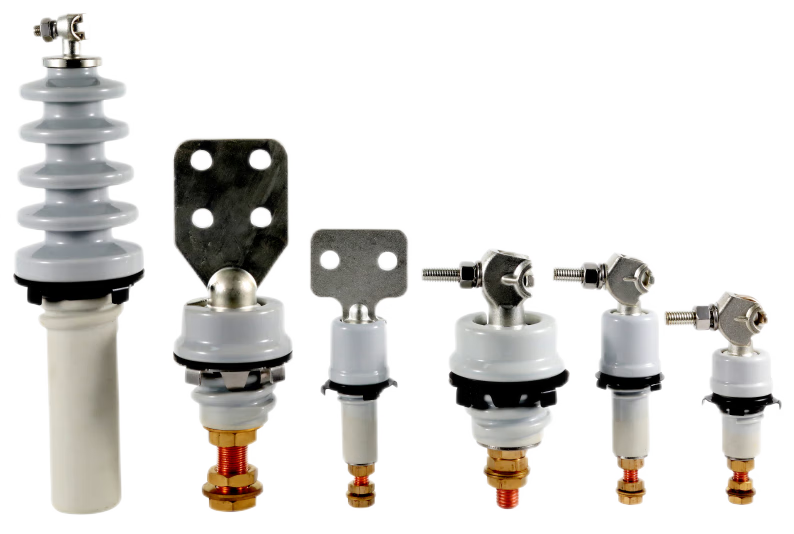
A porcelain is made of china clay which is naturally available as Aluminum Silicate. The mixture of plastic cauline, feldspar (crystal stone of silica), and quartz (Silicon Dioxide “SiO2” are heated up in the kiln furnace at controlled temperature to make a smooth, tough and shiny insulator without porous.
A strong porcelain insulator has a dielectric strength of 60kV/cm, compressive strength of 70,000 kg/cm2 and tensile strength about 500 kg/cm2.
Cement is used as bonding material to make the porcelain insulators which is one of the most popular types of insulators used widely around the world in power transmission and destruction networks.
Characteristics of porcelain insulators:
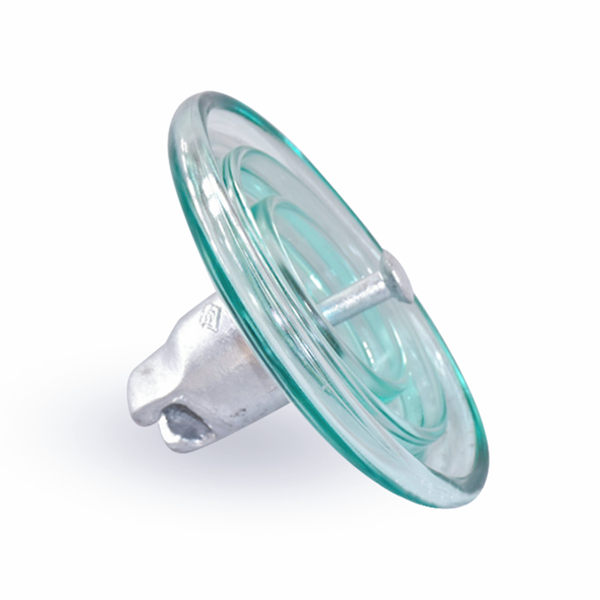
Toughened glass is used to make these kinds of insulators. The glass material is heated up and after the melt and cool bath, it offers a very high dielectric strength up to 140kV/cm.
The toughened glass suspension insulators are widely used for high voltage transmission (≥ 500 kV) around the world. They have very high resistivity and one of the most advantages is that the faulty or sparked insulator can be easily detected and spotted due to the transparent design.
Glass insulators offers a compressive strength and tensile strength of 10,000kg/cm2 and 35,000kg/cm2 respectively.
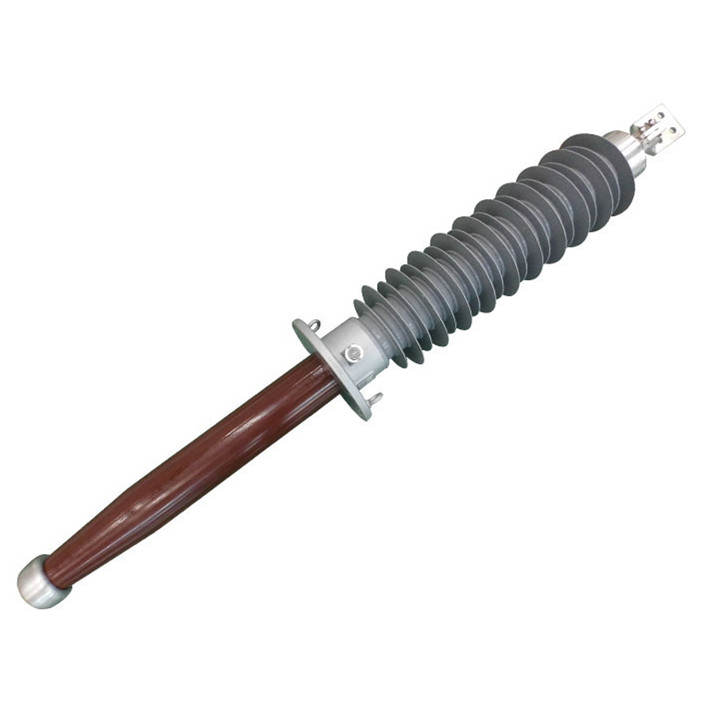
Composite insulator can take wind and rain and have good self-cleaning performance under wind and rain, so need checking for pollution only once every 4–5 years, and requiring less time for the repair and power interruption. Since the core rod has higher extension strength, composite insulators can result in very light overall weight. Their weight is only 10–20% of the weight of porcelain insulator strings of the same voltage class. Their length can be shortened by more or less 10% in the same voltage class, which can greatly reduce the labor of workers in transportation and field operation.
Composite insulators have been introduced as a good alternative to ceramic and glass insulators. After nearly 30 years of launching the first type of composite insulators and making design improvements and consuming materials, they are used as well-known and suitable products in HV [1,15,16].