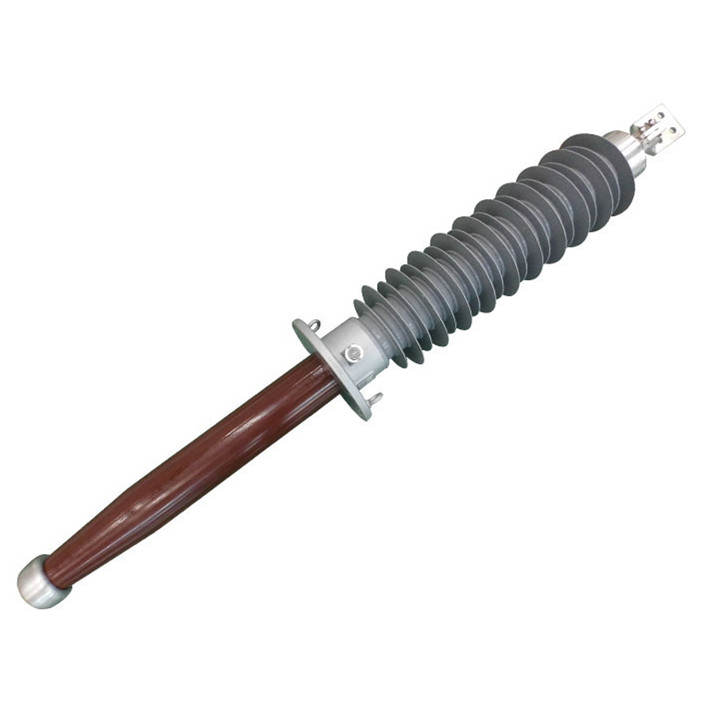
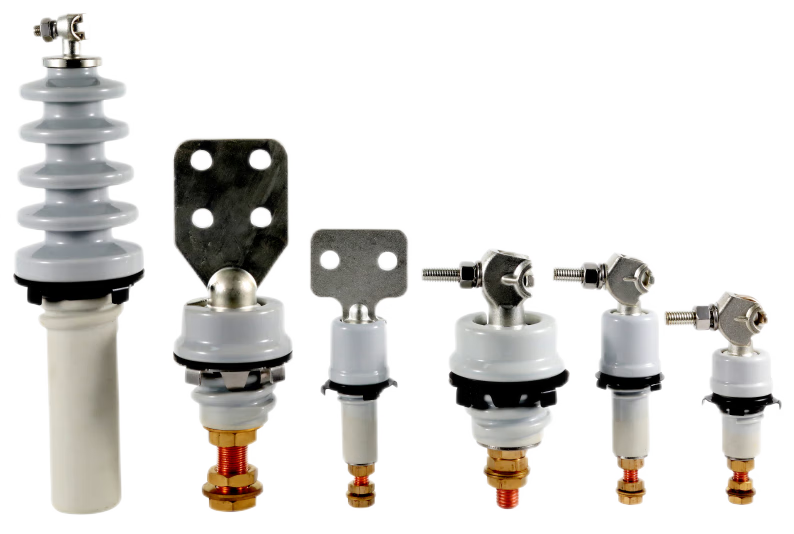
What is the Significance of Insulators?
The primary role of the insulator in the transmission line is to isolate the conductor from the transmission tower. They operate as a barrier between the active elements of an electrical circuit, limiting current flow to wires or other conducting routes as required.
When an electron travels in a wire, an electric current is created. Insulators are immobile because their electrons are securely bonded and do not move throughout the material. They retain the draft and separate the pole from the conductor to prevent current leakage to the ground.
Current will flow over the pole if it is not adequately insulated. If any animal or person comes into contact with the bar, they will be shocked, resulting in death.
How Do Insulators Function?
Energy will always be transferred from a higher temperature object to a lower temperature object. To put it another way, heat always flows from hot to cold. When insulating something, we attempt to prevent energy from being transferred from a more desirable to a colder object. Insulators keep energy from efficiently moving from one thing to another.
All objects are made up of tiny particles in a constant state of motion. Bonds bind the constituent parts of a thing together. Insulators are held in place by strong connections between their particles. Since particles in an insulator don’t move around quickly, the amount of energy transferred to other particles is minimal. This prevents particles from gaining power and increasing the temperature. Conductors have loose bonds that allow particles to move quickly and transfer energy from one particle to the next. Metals tend to be excellent conductors.