Product Description
Targeted Applications and User Base
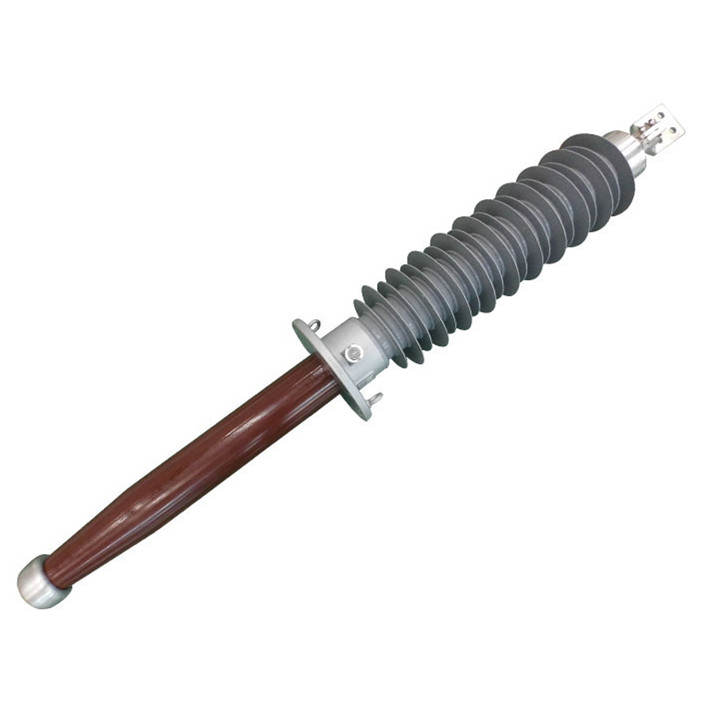
The oil impregnated paper capacitive bushing (OIP capacitive bushing) is explicitly designed for medium to high voltage power transformers and electrical networks. It serves transformer manufacturers, system integrators, and utility operators requiring reliable high current conduction and dielectric insulation. With rated voltages ranging from 24 kV to 800 kV and current capacity up to 35,000 A, it supports heavy load conditions such as generator bus connections. This solution accommodates multiple interface configurations, including oil-air, oil-oil, and oil-SF6, providing extensive adaptability for diverse installation requirements.
Technical Innovation and Specifications
The OIP capacitive bushing employs oil impregnated paper as its core insulation medium, enhancing dielectric strength and moisture resistance compared to alternative materials. Encased within either porcelain or composite external envelopes, this high voltage capacitive bushing ensures optimal electric field distribution and thermal stability. Its design complies with IEC standards for high voltage bushings, supporting current ratings between 5,000 A and 35,000 A. The product’s construction facilitates superior mechanical endurance under thermal and environmental stresses, sustaining reliable operation for indoor and outdoor installation conditions.
Industry Integration and Operational Value
This HV condenser bushing finds widespread application in power transformer and gas insulated switchgear (GIS) systems where dependable insulation and conductor interfaces are critical. By enabling safe current passage through transformer walls and accommodating oil-gas interfaces, it integrates seamlessly into complex electrical infrastructures. Its predictable aging characteristics and low maintenance requirements optimize the total cost of ownership for utilities and manufacturers. The oil impregnated paper condenser bushing also enhances factory acceptance testing processes, ensuring quality verification for high voltage transformer assets.

Product Advantages
Design and Structural Features
The OIP condensser bushing’s design leverages the proven oil impregnated paper technology combined with capacitance graded insulation to reduce electrical stress concentrations. Modular interface compatibility (oil-air, oil-oil, oil-SF6) enhances system integration flexibility, while porcelain or composite envelopes provide durable mechanical protection adapted to installation environments. This design also optimizes electric field uniformity within the bushing, reducing partial discharges and extending lifespan. Compliance with IEC HV condenser bushing standards underpins its engineering robustness and predictable performance over time.
Performance and Operational Benefits
Operating across a broad voltage range with current ratings up to 35,000 A, the oil impregnated paper capacitive bushing delivers stable dielectric performance under thermal and electrical loading. Its moisture resistance properties secure insulation integrity in variable ambient conditions, minimizing maintenance interventions and downtime. The bushing’s versatility for indoor and outdoor use simplifies inventory and supports rapid deployment across project types. This component improves transformer reliability and enhances the overall efficiency of power delivery systems by maintaining consistent insulation and conduction performance.
Use Scenarios
Transformer Through-Wall Current Conduction in Substations
In high-voltage substations, the OIP condensser bushing functions as a through-wall conductor enabling current transfer between internal transformer windings and external grids. Installed within oil-filled transformers, it maintains electrical insulation integrity and mechanical strength against dielectric stresses. The product’s oil impregnated paper capacitive bushing design is compliant with IEC standards, granting confidence in network safety and reliability. Its adaptability to various insulating interfaces ensures smooth integration with existing transformer and substation components, facilitating streamlined operations and maintenance workflows.
Integration in GIS Modules with SF6 Interfaces
Gas insulated switchgear (GIS) environments demand bushings capable of interfacing oil-to-SF6 gas mediums without compromising dielectric or mechanical performance. The OIP capacitive bushing is engineered to accommodate this with its multi-interface compatibility, enabling secure transitions between insulating media. This ensures consistent insulation and high current capacity needed in compact GIS units, supporting system reliability under harsh electrical conditions. The bushing’s robust construction also minimizes failure rates and aligns with asset management protocols in critical high voltage infrastructure.
What voltage and current ratings are available for your OIP capacitive bushings?
We provide oil impregnated paper capacitive bushings rated from 24 kV up to 800 kV, with current capacities between 5,000 A and 35,000 A. These ratings support a wide range of medium to high-voltage applications, ensuring robust electrical performance in demanding environments.
Can your bushings be customized for specific transformer or GIS applications?
Yes, we offer customization services for dimensions and electrical ratings, especially to meet the requirements of high-current transformer bushings and GIS installations. Our flexible solutions ensure compatibility for HV condenser bushing applications tailored to your system needs.
What are the advantages of choosing porcelain versus composite external envelopes?
Both porcelain and composite envelopes provide strong mechanical protection and weather resistance. Porcelain offers high durability for outdoor use, while composite materials reduce weight and resist impact. We recommend options based on your installation environment and maintenance preferences.
How do you ensure reliability and longevity of your condenser bushings?
Our condensers bushing use oil impregnated paper insulation for excellent dielectric strength and moisture resistance. They comply with IEC standards and undergo rigorous testing, ensuring predictable aging and minimal maintenance throughout their lifecycle in power transformers and generator bus connections.