
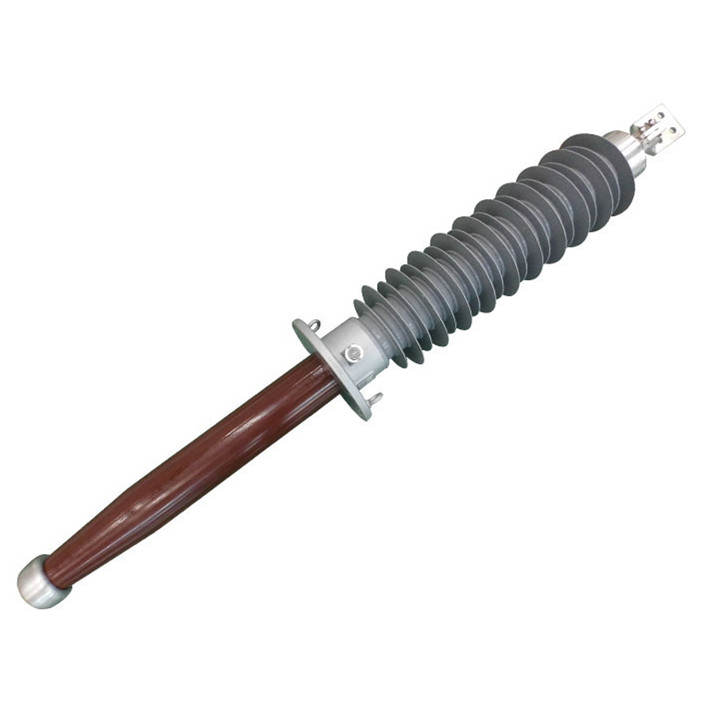

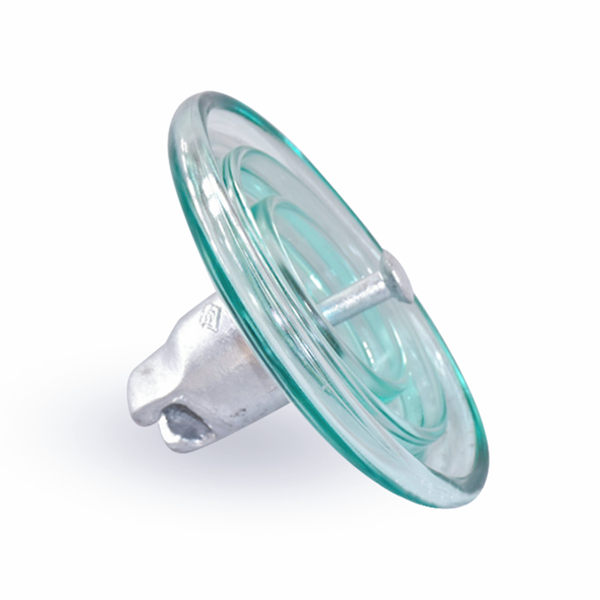
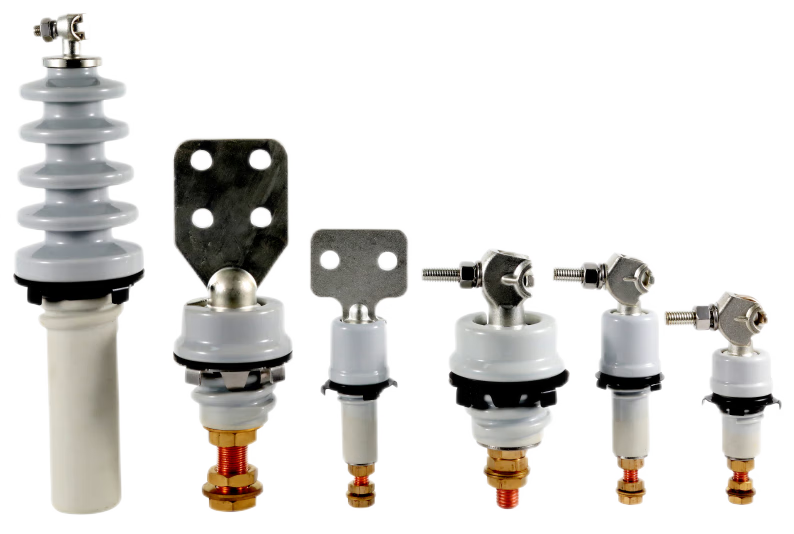


The RIP bushing series is designed as a dry-type, resin impregnated paper bushing to serve as a robust high voltage bushing solution for engineers and system integrators working with transformers and substations. It targets users requiring a reliable, oil-free insulation technology to carry high currents through transformer housings while minimizing maintenance risks. This high current bushing addresses demands in both indoor and outdoor bushing installations where environmental compliance and operational longevity are critical. Users deploying this capacitive bushing gain stable dielectric performance coupled with mechanical resilience for diverse power transformer bushing requirements.
Core Technical Features and Performance Metrics
This resin impregnated paper bushing employs a condenser core formed by layers of resin-impregnated paper and aluminum foil, vacuum-cured with epoxy resin to achieve solid, gas-free insulation. Voltage ratings span from 24 kV up to 1100 kV across multiple configurations including wall bushings, DC bushings, and converter transformer bushings, optimized for both indoor and outdoor environments. The external shell material can be porcelain or composite, selected based on installation conditions to ensure mechanical durability and seismic resistance. The dry-type design offers measurable benefits such as elimination of oil leakage risk, reduced partial discharge, and simplified maintenance while maintaining compact dimensions suitable for modern power transformer bushing architectures.
Practical Applications and Operational Value in Power Systems
In substation and transformer environments, the RIP capacitive bushing enables safer, oil-free transitions of high voltage and high current conductors through transformer walls and switchgear panels. It replaces traditional oil impregnated paper bushing technologies with a more environmentally responsible alternative, facilitating retrofit projects aiming to reduce environmental risks and maintenance costs. The solution supports critical HV bushing roles in HVDC converter stations and gas-insulated substations, providing consistent performance in demanding operational contexts. This transformer bushing enhances system reliability and service life, contributing to efficient grid operation and compliance with industry standards for insulation and electrical safety.
Product Advantages
Structural and Design Innovations Behind RIP Bushings
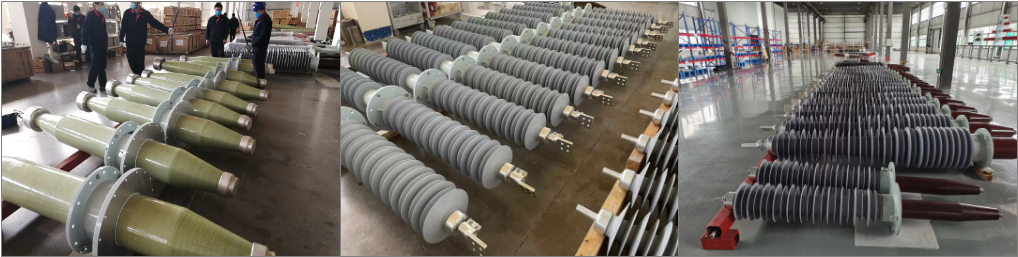
The RIP capacitive bushing incorporates a vacuum-impregnated resin impregnated paper condenser core, enabling a dry-type, oil-free architecture that significantly reduces environmental risks. Choice of high-strength porcelain or composite shells ensures robust mechanical protection against external stressors including seismic events. Modular design supports multiple configurations such as wall bushings and converter bushings, enhancing compatibility with various transformer types. The integration of measurement taps for capacitance and dielectric dissipation illustrates a design optimized for predictive maintenance and condition monitoring, while anti-pollution classification III and IV confirms resilience under contamination stress.
High Performance, Operational Reliability, and User Benefits
This bushing’s oil- and gas-free construction greatly reduces the need for fluid-related maintenance, lowering downtime and extending equipment life cycle. Its stable dielectric properties provide consistent insulation at voltages from 24 kV through 1100 kV, supporting high load conditions and environmental variability. Seismic resistance and pollution tolerance ensure operational safety in demanding environments, critical for power networks in geologically active regions. The user gains a reliable, maintenance-minimized capacitive bushing that enables easier integration into automated condition monitoring systems. This contributes to reduced lifecycle costs and optimized asset management for utilities and industrial power users.
Use Scenarios
High Voltage Transformer Applications in Substation Environments
In electrical substations, the RIP capacitive bushing serves as the primary high voltage conductor pass-through in power transformers, replacing traditional oil impregnated paper capacitive bushings to eradicate leakage risks. Its dry-type resin impregnated paper condenser insulation complies with industrial standards for dielectric strength and mechanical endurance, making it ideal for indoor and outdoor transformer installations. The bushing’s integration improves operational reliability by facilitating continuous dielectric monitoring via embedded capacitance and partial discharge test taps. Additionally, its pollution resistance and seismic durability support demanding environmental conditions typical in critical substation infrastructures.
HVDC Converter Station and GIS Integration
Within HVDC converter stations and gas-insulated substations (GIS), the RIP capacitive bushing provides precise, stable insulation required for high voltage DC and AC switching applications. Its oil- and gas-free, dry-type design ensures compliance with environmental safety mandates and reduces maintenance complexity associated with fluid-filled alternatives. Adaptable to wall and converter bushing configurations, it harmonizes with power electronic converters and insulated switchgear assemblies. The robust resin impregnated paper condenser core offers high dielectric stability, allowing seamless system integration. This enhances operational security and reduces lifecycle costs in technologically advanced and compact power transmission environments.
What insulation materials are used in your RIP capacitive bushing?
Our resin impregnated paper condenser bushing employs vacuum-cured resin-impregnated paper combined with aluminum foil to form a solid dielectric core. This dry-type insulation is oil- and gas-free, ensuring stable and safe operation from 24 kV to 1100 kV.
Can NJREC provide customized RIP capacitive bushings for specific transformer models?
Yes, we offer customized solutions for RIP capacitive bushings including configurations like wall bushings, converter bushings, and DC bushings. Our engineering team works directly with you to adapt designs for your transformer's voltage and environmental conditions.
What are the mounting and installation options for the RIP bushing?
Our RIP bushing supports versatile mounting configurations such as wall, transformer, and GIS installations. We provide detailed technical guidance to ensure compliance with mechanical and electrical requirements suitable for both indoor and outdoor environments.
Does the RIP bushing require ongoing maintenance or fluid checks during operation?
No, the dry-type design of our RIP capacitive bushing is completely oil- and gas-free. This maintenance-free feature reduces operational downtime and environmental hazards by eliminating the need for fluid monitoring or replacement.
