Product Advantages
Enhanced Pollution Resistance and Hydrophobicity
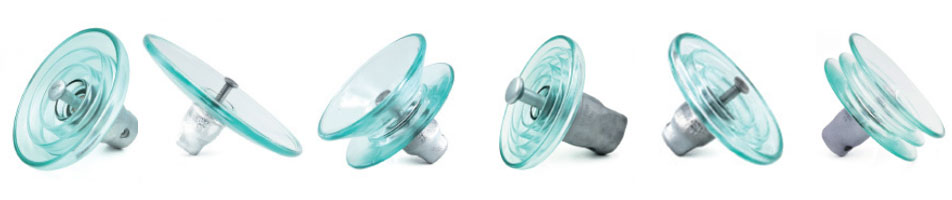
RTV coating provides strong surface hydrophobicity that repels water films, helping maintain dry surfaces during wet, humid, or polluted conditions. This directly lowers leakage currents and minimizes the chance of pollution flashovers. The varied profile designs—such as fog type, open profile, external ribs, and double shed—enhance performance by increasing creepage distance and disrupting contaminant accumulation paths. These functional enhancements support consistent insulation even in severe service environments. Together, the RTV layer and structural design reduce the need for manual cleaning, allowing longer intervals between inspections. These qualities are fundamental for users seeking high-efficiency electrical glass insulators and field-proven high voltage power line insulators that can reliably function across wide environmental zones.
Strong Mechanical and Arc Performance
The insulators are available with mechanical strength levels ranging from 40 kN to 550 kN, covering needs from light distribution lines to ultra-high-voltage transmission applications. This range supports safe suspension of conductors under wind, tension, and ice loading conditions. The use of toughened glass improves resistance to shock, aging, and thermal stress. Moreover, strong arc resistance ensures that minor electrical discharges do not damage or degrade the material, extending service life. These attributes are vital for ensuring safe and uninterrupted power delivery. For grid operators or utilities working with high voltage insulators manufacturers, these qualities represent key purchasing considerations in ensuring long-term reliability under harsh mechanical and electrical stresses.
Light Weight, Self-Cleaning, and Easy Failure Detection
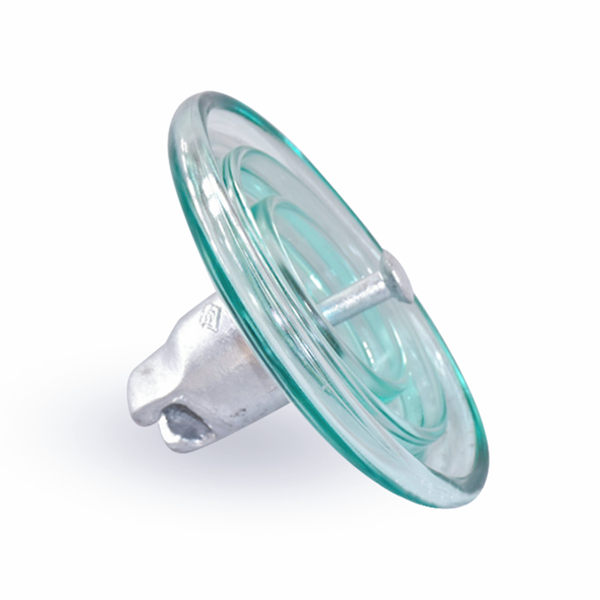
The use of glass offers weight advantages over traditional porcelain, making transport, stringing, and tower loading simpler. Combined with optimized aerodynamic profiles—including ribbed and double-shed designs—these insulators promote effective self-cleaning by allowing wind and rain to remove dust or pollutants from the surface. Additionally, in the rare event of breakage, the toughened glass will shatter into small, visible fragments (“zero-value self-breaking”), allowing fast identification of failure points during visual inspection. This contributes to safer field operations and shorter downtime. For utilities seeking alternatives or supplements to traditional high voltage porcelain insulators, this product provides clear operational benefits and fault transparency across inspection and maintenance cycles.
Use Scenarios
High-Voltage Transmission Lines
These RTV coated glass insulators are especially suited for use in long-span overhead transmission systems that operate from 10 kV to 1000 kV, including high, extra-high, and ultra-high voltage lines. Their mechanical design—supporting up to 550 kN—and their various profile options enable stable suspension under significant conductor load, wind, and environmental stresses. Structures like double shed and fog profile provide added benefit by enhancing pollution resistance in difficult outdoor conditions. These characteristics match the expectations placed on high voltage power line insulators used in high-altitude, humid, or industrial areas where stability and durability are essential for minimizing unplanned outages.
Polluted or Coastal Environments
In coastal, industrial, or desert environments where insulators are subject to salt fog, chemical emissions, or airborne dust, maintaining surface insulation performance is a challenge. The RTV coating provides superior hydrophobicity, reducing the chance of current leakage and improving performance stability in wet and contaminated conditions. The external profile elements, such as ribs and sheds, assist in dispersing moisture and contaminants, lowering the risk of flashovers. These insulators support better uptime and reduce the need for frequent manual cleaning. Their performance features make them highly applicable in scenarios where electrical glass insulators and coated insulators are expected to maintain high surface resistance over extended service periods.
Substation and Ultra-High Voltage Installations
For substations and ultra-high-voltage systems operating at voltages near or above 500 kV, mechanical and dielectric strength become especially critical. These glass insulators are manufactured with ratings that support demanding substation conditions, including tension support and flashover resistance. RTV coating plays a vital role in minimizing surface leakage and flashover during wet conditions, making them a robust choice for stations located in high-humidity regions. Their zero-value self-breaking characteristic also aids maintenance crews by enabling quick detection of damage. As components delivered by experienced high voltage insulators manufacturers, these insulators meet the functional and safety requirements expected in core substation infrastructure and high-tier transmission equipment.
About Us
Nanjing Rainbow Electric Co., Ltd. (NJREC) was founded in 2005 and has over twenty years of experience in producing electrical insulation materials and insulator components. The company’s product range includes electrical glass insulators, porcelain insulators, RTV coated insulators, capacitive bushings, transformer bushings and other insulation materials. NJREC maintains several production plants focused on glass/pottery insulators, composite and porcelain insulation devices, transformer component metal accessories, and raw insulation material preparation.
NJREC exports its insulators and insulation materials globally to regions including North America, South America, Australia, Southeast Asia, Africa, and Europe. As high voltage insulators manufacturers, NJREC carries out production and testing per relevant international standards, offering multiple design profiles, mechanical strength ratings, creepage distances, hydrophobic coatings, and self‑cleaning surface features. As high voltage porcelain insulators and high voltage power line insulators suppliers, NJREC supports both new transmission line installations and replacements or upgrades in existing infrastructure.
FAQ
What types of profiles do NJREC RTV coated glass insulators offer?
They include Standard Type, Fog Type, Open Profile, Out‑ribs (External Shed), Double Shed, Ground Wire Type, etc., for variation in rib design and creepage.
Which mechanical strength ranges are available in these glass insulators?
Cap & Pin suspension types are made with mechanical strength ratings from 40 kN up to 550 kN depending on profile.
What voltage grades do these RTV coated glass insulators support?
They are suited for lines with voltage grades between 10 kV and 1000 kV in transmission, extra‑high‑voltage and ultra‑high‑voltage uses.
What benefits does RTV coating bring to glass insulators?
RTV coating enhances hydrophobicity, reduces pollution flashover risk, reduces leakage current on surface, aids self‑cleaning and helps maintain performance in polluted or harsh environments.
Are these insulators light weight and easy to inspect?
Yes; toughened glass structure renders them relatively light, and features like zero‑value self‑breaking allow defect detection; self‑cleaning profiles help visibility of contamination or damage.