



Product Description
Functional Role and Target Users of Wall Bushings
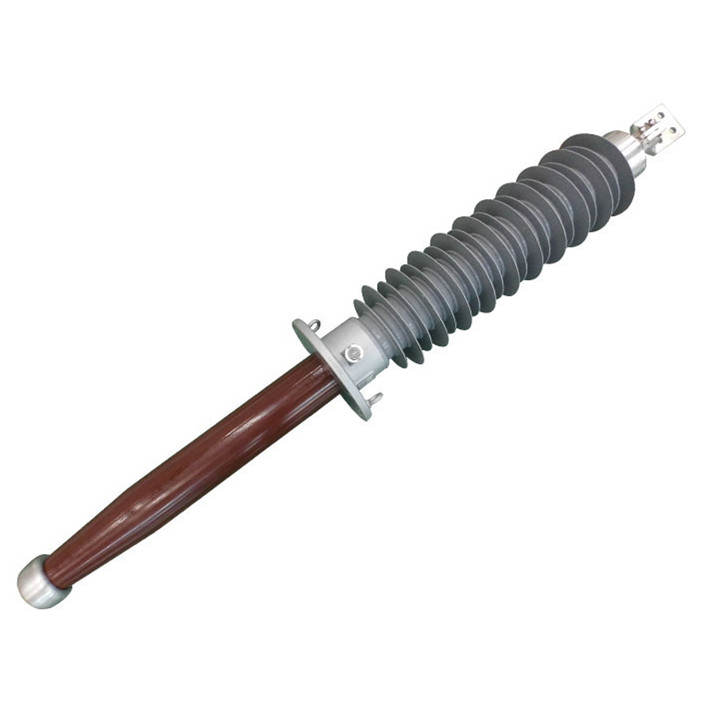
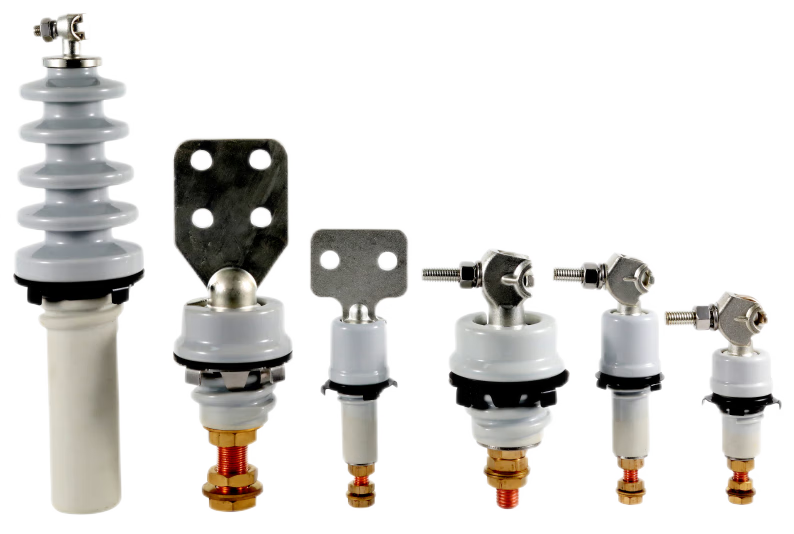
Wall bushings serve as critical insulation interfaces where energized conductors penetrate grounded barriers in electrical equipment. Specifically designed for high voltage environments, these components are indispensable for utility companies, electrical engineers, and transformer manufacturers requiring reliable and safe passage for current flow through transformer tanks or switchgear enclosures. Suitable for both indoor bushing and outdoor bushing applications, these components accommodate power transformer bushings operating at voltage ratings from 52 kV to 362 kV. This product targets professionals seeking robust, high current bushing solutions with proven electrical insulation performance in demanding industrial settings.
Technical Features and Specifications of Wall Bushings
These wall bushings incorporate advanced insulation techniques utilizing resin impregnated paper bushing (RIP bushing) or resin impregnated synthetic bushing (RIS bushing) materials, providing superior dielectric strength and thermal stability. Their mechanical housings are available in high-quality polymer or porcelain, engineered for mechanical robustness and environmental resilience. Voltage ratings extend from 52 kV to 362 kV, while current capacities range from 630 A to 12500 A, ensuring compatibility with a wide spectrum of transformer and switchgear ratings. The design meets industry standards for electrical clearance, creepage distances, and insulation integrity, making them reliable high voltage bushing components for complex power systems.
Industry Applications and Operational Value of Wall Bushings
Wall bushings are widely implemented in the energy sector within high voltage power transformers, substations, and switchgear assemblies. Their role is critical in facilitating the safe transmission of electrical energy while preventing flashover and insulation breakdown. These components enable effective isolation in both oil impregnated paper bushing (OIP bushing) and dry-type transformer configurations. They serve as essential elements in modern power distribution networks, substations upgrading projects, and transformer manufacturing, providing operational stability and extending asset lifespan. Their use supports compliance with electrical safety regulations and enhances system reliability in industrial, utility, and renewable energy environments.
Product Advantages
Structural and Design Advantages of Wall Bushings
The structural design of these wall bushings integrates insulation technologies such as resin impregnated paper bushing (RIP bushing) and resin impregnated synthetic bushing (RIS bushing) to optimize dielectric performance. Coupled with either polymer or porcelain housings, the units are engineered for robust mechanical strength, resisting environmental stresses like moisture, UV exposure, and thermal cycling. This modular approach facilitates seamless integration with transformer tank walls and switchgear assemblies, minimizing installation complexity. The flexible current ratings up to 12500 A and voltage range up to 362 kV reflect a scalable design adaptable to various power transformer bushing configurations, enhancing system modularity and maintainability.
Performance and User Value Benefits of Wall Bushings
From a performance perspective, these wall bushings deliver reliable electrical isolation that mitigates risks of partial discharge and flashover under high voltage conditions. Their materials and construction reduce dielectric losses and improve operational longevity, reducing maintenance demands on power distribution equipment owners and operators. The availability of polymer and porcelain housings enables optimized choices tailored to specific environmental and installation requirements, enhancing user adaptability. Additionally, the rated current capacities provide assurance for high current bushing applications, supporting load demands without compromising system safety or efficiency, yielding significant return on investment in power infrastructure projects.
Use Scenarios
Transformer Wall Penetration in Substation Environments
Within substation environments, wall bushings perform the essential function of safely isolating energized conductors as they pass through grounded transformer tanks or switchgear walls. These applications demand components capable of handling high voltage up to 362 kV and current ratings accommodating large power transformers. The use of resin impregnated paper bushing (RIP bushing) or resin impregnated synthetic bushing (RIS bushing) ensures dielectric integrity under fluctuating system loads. Moreover, the polymer or porcelain housings provide the necessary mechanical protection against environmental exposure and contamination. This integration ensures compliance with electrical insulation standards and continuity in power transmission workflows, minimizing operational interruptions for utilities.
Integration in Power Transformer Manufacturing and Maintenance
In transformer manufacturing and maintenance processes, wall bushings are vital components ensuring the integrity of high voltage bushing connections. They facilitate the passage of conductors while maintaining electrical isolation crucial for safe operation. The wide current capacity range from 630 A to 12500 A makes these bushings suitable for a variety of power transformer designs, including oil impregnated paper bushing (OIP bushing) systems. Their robust design and adherence to electrical industry specifications simplify installation and replacement operations, thereby reducing downtime. Manufacturers and service providers value these bushings for their high reliability, ease of system integration, and contribution to enhanced transformer lifespan and safety compliance.
What insulation materials are used in your Wall Bushings?
We manufacture Wall Bushings with two primary insulation types: Resin Impregnated Paper (RIP) and Resin Impregnated Synthetic (RIS). Both materials ensure high dielectric strength and reliable electrical isolation for safe operation in high voltage environments.
Do you offer customized Wall Bushings for specific voltage or current requirements?
Yes, we can provide Wall Bushings tailored to meet your exact specifications. Our product ratings range from 52 kV to 362 kV and 630 A to 12500 A, allowing us to support diverse high voltage and high current applications safely and effectively.
What housing materials do your Wall Bushings use, and how do they affect performance?
Our Wall Bushings come with either polymer or porcelain housings. Polymer housings offer enhanced mechanical strength and resistance to environmental factors, while porcelain provides traditional durability. Both options ensure long-term reliability in indoor or outdoor high voltage installations.
Can you support the installation and maintenance of your high voltage bushings?
We provide detailed technical support for installing and maintaining power transformer bushing products, ensuring proper procedures minimize risk of insulation failure. Our experts assist with integrating bushings safely into your systems for reliable long-term performance.
