

Introduction: Fog type glass insulators by NJREC, with strength ratings up to 300 kN and extended ribs, effectively resist salt fog contamination, ensuring reliable coastal power transmission.
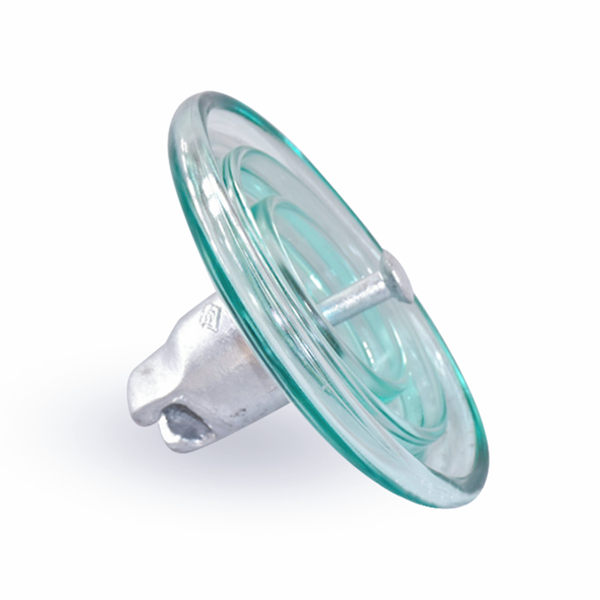
Last week's inspection of coastal power lines highlighted a recurring challenge: persistent salt fog and pollution were visibly affecting insulation reliability, threatening system integrity. This observation renewed appreciation for fog type glass insulators, specially engineered to tackle the aggressive coastal environments where standard insulators often underperform. An electrical insulator manufacturer such as Nanjing Rainbow Electric Co., Ltd. (NJREC) has designed these distinctive glass insulators with long, widely spaced under-ribs to resist contamination buildup effectively. An experienced glass insulator supplier such as NJREC Bushings offers these solutions, ensuring that infrastructure in salt-fog-laden regions maintains consistent operation with reduced fault risk. The fog type profile's unique features integrate both mechanical durability and environmental resistance, demonstrating why it remains a vital solution for coastal power transmission challenges.
The mechanical and dielectric properties of fog type glass insulators crafted by an electrical insulator manufacturer play a crucial role in sustaining performance under demanding conditions. These insulators are specifically designed to withstand intense mechanical stresses, with strength ratings varying between 70 kN and 300 kN, catering to voltage requirements from 10 kV up to 1000 kV. Their toughened glass composition provides high impact resistance essential for coping with environmental forces like wind and ice in coastal or industrial zones. Meanwhile, dielectric robustness ensures excellent electrical insulation amidst humid, salt-laden atmospheres where leakage current risks rise dramatically. By sourcing from a reputable glass insulator supplier, grid operators access insulators that exhibit exceptional arc resistance and zero-value self-breaking characteristics, enhancing fault detection capability. These mechanical and dielectric attributes meld reliability with safety, which is critical when managing high-voltage transmission systems exposed to harsh environmental stressors.
Addressing pollution flashover in coastal and industrial installations requires a proactive design approach, a specialty of leading glass insulator suppliers like NJREC. The key innovation in fog type glass insulators lies in their extended ribs and hydrophobic surface treatments. Extended ribs greatly increase the creepage distance and reduce contamination concentration on insulated surfaces, dispersing salt deposits and airborne pollutants more evenly across the insulator profile. Meanwhile, hydrophobic coatings repel water films that typically exacerbate leakage currents under salt-fog conditions. This combination significantly reduces the likelihood of conductive surface paths that trigger flashover events. The electrical insulator manufacturer's focus on these design nuances ensures that insulators sustain critical insulation levels despite persistent moisture and pollution. For operators in coastal regions, the result is an insulator that maintains high dielectric performance with minimal maintenance requirements, effectively protecting transmission lines from the unpredictable stresses of salty air and industrial contaminants.
Lightweight construction distinguishes glass insulators from traditional porcelain types, offering logistical and operational benefits especially noticeable in remote or challenging marine environments. The fog type profile by a professional glass insulator supplier incorporates materials and design techniques that reduce weight without compromising mechanical strength or insulation reliability. This reduction facilitates easier transport and faster installation on transmission towers located in coastal or offshore areas, where access can be limited and labor conditions difficult. Moreover, the reduced weight decreases structural load on towers, extending their service life and simplifying maintenance operations. The electrical insulator manufacturer's attention to incorporating self-cleaning properties and visible fault indicators further enhances operational efficiency. Maintenance teams benefit from the natural hydrophobic surface and long ribs that minimize pollutant adhesion, cutting down cleaning intervals. These features collectively enable prolonged uninterrupted transmission in marine and heavy industrial settings where corrosion and contamination would otherwise challenge infrastructure longevity.
The resilience and thoughtful engineering behind fog type glass insulators from an experienced electrical insulator manufacturer and glass insulator supplier ensure that power transmission networks remain stable in some of the most demanding environments. Their lightweight design, extended rib profiles, and hydrophobic surfaces not only deliver dependable insulation but also simplify maintenance and improve safety visibility. When facing ongoing exposure to salt fog and heavy pollution, choosing this advanced insulator type reflects a measured investment in reliability and operational confidence. As industry demands evolve and coastal energy infrastructure expands, such insulators will continue to embody practical adaptability and robust performance. Those responsible for managing coastal power lines will find that working with a seasoned electrical insulator manufacturer sustains efficiency and mitigates uncertainties of harsh environmental impact.
• Glass Insulator - Explore our range of glass insulators designed for high performance in coastal and industrial environments.
• Products - Discover a variety of electrical insulation products tailored for demanding power transmission needs.
• Transformer Bushing - Find reliable transformer bushings that complement your high-voltage insulation solutions.
• Contact Us - Get in touch with our experts for customized advice on fog type glass insulators and related products.
• Request Quote - Request a quote to secure high-quality glass insulators for your coastal power transmission projects.