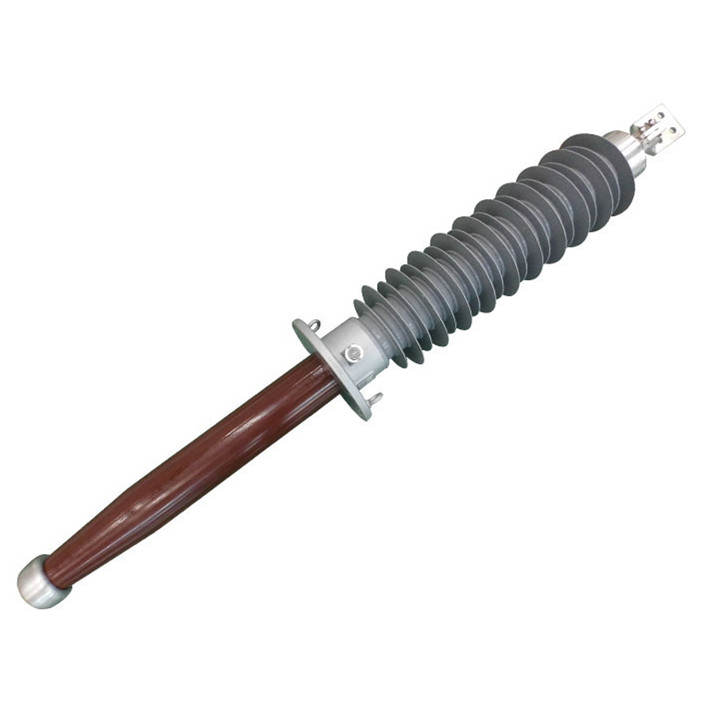

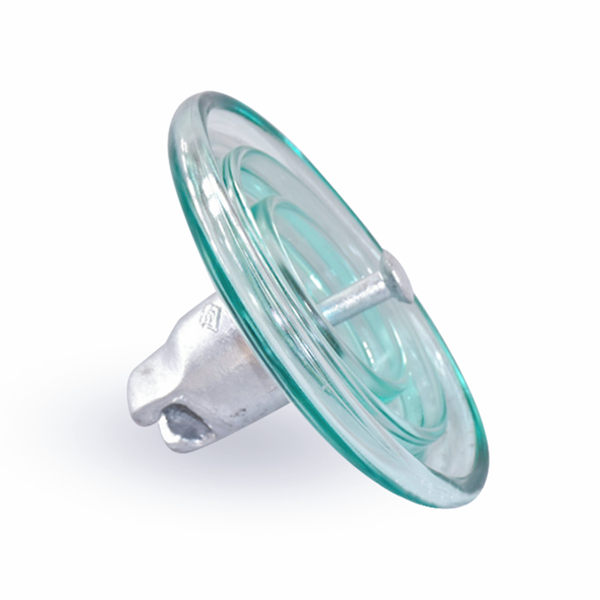
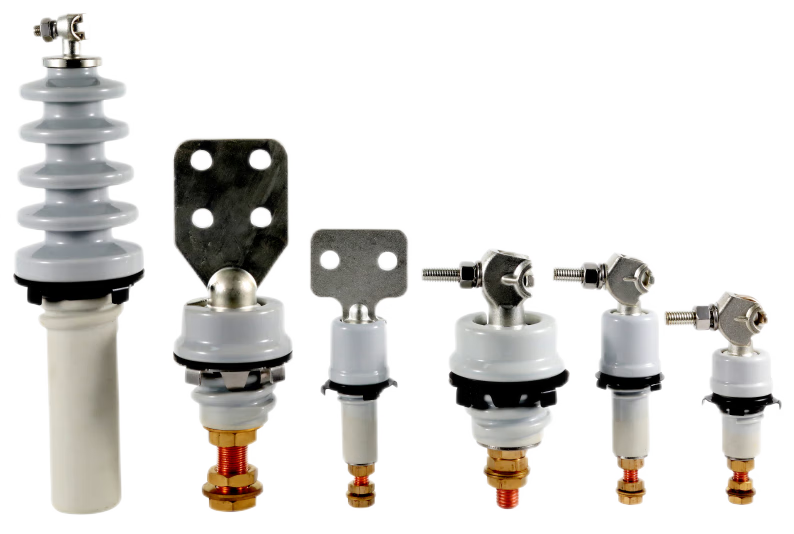

Introduction: Fog type glass insulators, rated for voltages from 10kV to 1000kV, combat pollution and salt fog by extending leakage distance and reducing maintenance in harsh industrial environments.
Yesterday's field inspection of high-voltage transmission lines winding through a bustling industrial zone revealed the stark reality of pollution's impact on electrical infrastructure. Engineers noted increasing surface contamination and salt deposits compromising insulators, triggering concerns about reliability and maintenance costs. Such challenges underscore the vital role played by a reliable electrical insulator manufacturer in providing glass insulators uniquely designed for harsh environments. The fog type glass insulator, offered by a trusted glass insulator supplier, emerges as an intelligent solution for maintaining system integrity amid pollution and salt fog, combining innovative design with functional resilience.
The landscape of glass insulator designs is broad, reflecting the diverse demands posed by different environmental conditions. A reputable electrical insulator manufacturer offers multiple profiles - from the standard, with small ribs catering to mild contamination levels, to the open-profile style suited for desert and high-wind regions where ice or dust bridging is a concern. Among these, the fog type glass insulator stands out by integrating long, widely spaced under-ribs that dramatically increase leakage distance, effectively combating surface contamination typical of polluted industrial zones or coastal salt-fog areas. These extended ribs minimize the formation of conductive films by reducing pollutant adhesion and encouraging natural drying, which helps prevent arc bridge formation. The fog type's strength ratings typically span from moderate to high mechanical loads, suitable for voltage classes ranging from 10kV to an impressive 1000kV, highlighting its adaptability across transmission demands. Glass insulators supplied by leading manufacturers possess features such as hydrophobic surfaces improving water repellence, and inherent self-cleaning properties that optimize insulation performance while reducing maintenance frequency. Such options empower grid operators faced with complex environmental stressors to select insulators tailored precisely to their infrastructure's geographic and climatological challenges.
Pollution and salt fog present significant threats to the reliability of high-voltage transmission lines by encouraging surface leakage currents and flashover events. The accumulation of industrial particulates and saline moisture creates conductive paths on insulator surfaces, compromising dielectric strength and leading to unexpected outages. The strategic use of fog type glass insulators from a dependable glass insulator supplier mitigates these risks by extending creepage distances and incorporating design elements that discourage pollutant buildup. Enhanced rib spacing reduces the chance of contamination bridging adjacent fins, while hydrophobic coatings limit water film formation, essential in maintaining robust insulation under high humidity or coastal salt exposure. The reduced leakage current directly translates into prolonged equipment lifespan and stabilized grid performance, critical factors in industrial zones that demand continuous energy supply. Furthermore, the noticeable self-breaking characteristic of toughened glass insulators facilitates immediate fault detection, allowing maintenance teams to respond swiftly and reduce downtime. The technical advances provided by a knowledgeable electrical insulator manufacturer ensure that these glass insulators meet rigorous mechanical and electrical standards, securing operational safety and economic efficiency against pollution-induced challenges.
Minimizing maintenance in industrial and coastal transmission environments presents an ongoing challenge where accessibility is often limited and cleaning expensive. The fog type glass insulator design offered by experienced electrical insulator manufacturers plays a key role in addressing these issues. Their long, wide under-ribs foster natural pollutant shedding, particularly when combined with hydrophobic surface treatments that repel water and prevent contaminants from adhering tightly. Additionally, certain profiles incorporate external shed ribs that harness wind action to facilitate self-cleaning mechanisms. These inherent properties extend cleaning intervals dramatically, ensuring that routine maintenance is less frequent and less intrusive. For grid operators, this results in lower operational costs and reduced risk to maintenance personnel working at heights or in hazardous areas. The lightweight nature of glass insulators also eases handling during installation and inspection, a significant benefit in labor-intensive environments. Glass insulator suppliers who emphasize these design attributes furnish components that blend advanced technological solutions with practical durability, ultimately enhancing the reliability of high-voltage overhead systems in environments challenged by pollution and salt fog.
Installation landscapes for high-voltage lines in industrial zones demand a thoughtful balance of mechanical strength, environmental resilience, and ease of maintenance. Working closely with an experienced electrical insulator manufacturer such as NJREC Bushings and a reputable glass insulator supplier ensures these critical factors align seamlessly. The fog type glass insulator, through its thoughtful engineering and material advantages such as hydrophobicity and visible fault detection via self-breaking, offers a dependable, low-maintenance option that secures electrical reliability. Looking forward, as industrial pollution and coastal salt exposure remain persistent challenges, selecting these insulators will support grid stability while providing adaptability to evolving infrastructure needs. Embracing these specialty glass insulators represents a pragmatic step toward sustaining performance in demanding high-voltage settings.
• Glass Insulator - Explore a wide range of glass insulators designed for various industrial and environmental conditions.
• Products - Discover the full selection of electrical components including high voltage insulators tailored for pollution resistance.
• Transformer Bushing - Learn about transformer bushings that complement high voltage glass insulators in power transmission systems.
• Wall Bushing - Find wall bushings that provide reliable insulation solutions in industrial electrical installations.
• Contact Us - Reach out to our experts for guidance on selecting the best glass insulators for polluted industrial environments.