

In the realm of electrical infrastructure, choosing the right insulators is crucial for ensuring the safety and efficiency of power transmission systems. High voltage insulators manufacturers play a pivotal role in providing solutions that withstand the demanding conditions of high voltage environments. Among the options available, porcelain and electrical glass insulators stand out as popular choices. Understanding their unique properties and benefits is essential for making an informed decision. In this article, we will delve into the characteristics of high voltage porcelain and electrical glass insulators, comparing their mechanical strength and environmental suitability to help determine the best fit for your needs.
Table of contents:
High Voltage Porcelain Insulators: A Comprehensive Overview
Electrical Glass Insulators: Features and Benefits for High Voltage Applications
Comparing Mechanical Strength in Porcelain and Glass Insulators
Environmental Considerations: Choosing Between Porcelain and Glass Insulators
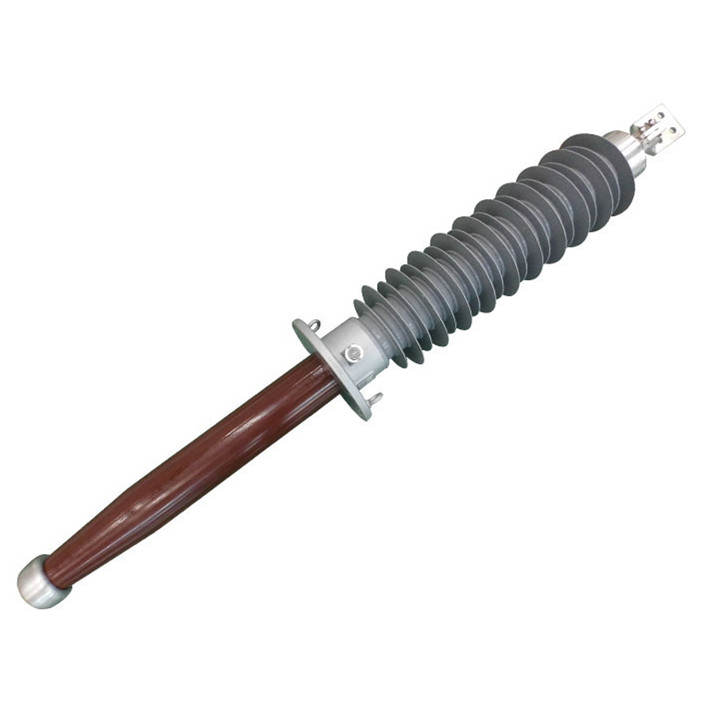
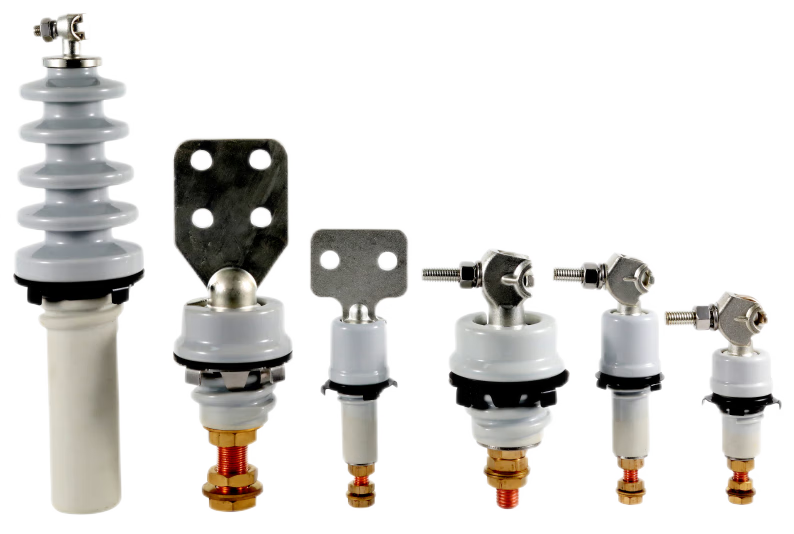
Porcelain insulators have been a staple in the industry for many years, known for their durability and reliability in high voltage applications. These insulators are crafted from a mixture of clay, quartz, and feldspar, which is fired at high temperatures to create a dense, impermeable material. High voltage power line insulators made from porcelain are praised for their exceptional mechanical strength and resistance to environmental factors such as moisture and ultraviolet radiation. This makes them a preferred choice for high voltage insulators manufacturers looking to provide robust solutions for challenging conditions. Additionally, porcelain insulators offer excellent electrical insulation properties, ensuring minimal energy loss during transmission. Their ability to withstand high mechanical stress and resist contamination from pollutants further enhances their appeal in the power industry.
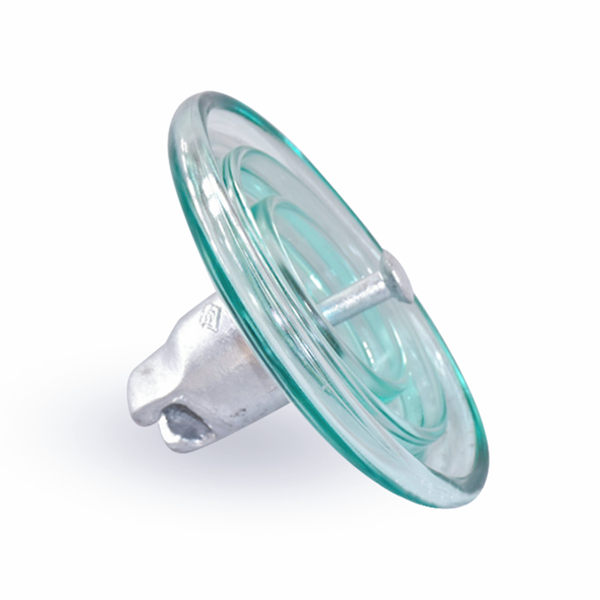
Electrical glass insulators have gained popularity due to their unique combination of properties that make them ideal for high voltage applications. These insulators are crafted from toughened glass, providing them with a distinct advantage in terms of transparency and aesthetic appeal. High voltage power line insulators made from glass are known for their superior hydrophobicity, which allows them to repel water and reduce the risk of flashovers. This feature is particularly beneficial in coastal and polluted environments where moisture can pose significant challenges. Moreover, glass insulators are lightweight and offer easy failure detection, as any damage is immediately visible. This transparency not only aids in maintenance but also enhances the overall reliability of the power system. The self-cleaning capabilities of glass insulators further contribute to their low maintenance requirements, making them a favored choice among high voltage insulators manufacturers.
When it comes to mechanical strength, both porcelain and glass insulators have their merits. Porcelain insulators are renowned for their ability to withstand high mechanical stress, making them suitable for areas prone to strong winds and mechanical loads. Their robust construction ensures longevity and reliability in various environmental conditions. On the other hand, electrical glass insulators offer a different kind of strength. The toughened glass used in these insulators provides excellent resistance to mechanical impact, reducing the likelihood of damage during installation or operation. This characteristic makes glass insulators a preferred choice for high voltage power line insulators in regions susceptible to mechanical disturbances. Ultimately, the choice between porcelain and glass insulators in terms of mechanical strength depends on the specific requirements and challenges of the installation site.
Environmental factors play a significant role in determining the suitability of insulators for high voltage applications. Porcelain insulators are known for their resilience in harsh environments, withstanding extreme temperatures and resisting pollution effectively. This makes them an ideal choice for high voltage power line insulators in industrial areas and regions with severe weather conditions. Conversely, electrical glass insulators excel in environments where hydrophobicity and self-cleaning properties are crucial. Their ability to repel water and reduce the accumulation of contaminants makes them highly effective in coastal and polluted areas. Additionally, the transparency of glass insulators allows for easy detection of damage, facilitating timely maintenance and ensuring the reliability of the power system. High voltage insulators manufacturers often consider these environmental factors when recommending the most suitable insulator type for specific applications.
In conclusion, selecting the right insulator for high voltage applications requires careful consideration of various factors, including mechanical strength, environmental conditions, and specific application needs. Both porcelain and electrical glass insulators offer unique advantages that cater to different requirements. Porcelain insulators are favored for their durability and resistance to harsh environments, making them a reliable choice for challenging conditions. On the other hand, electrical glass insulators provide benefits such as transparency, hydrophobicity, and easy maintenance, making them ideal for coastal and polluted areas. By understanding the distinct characteristics of each type, high voltage insulators manufacturers can guide you in choosing the most suitable insulator for your power transmission needs, ensuring safety, efficiency, and longevity in your electrical infrastructure.