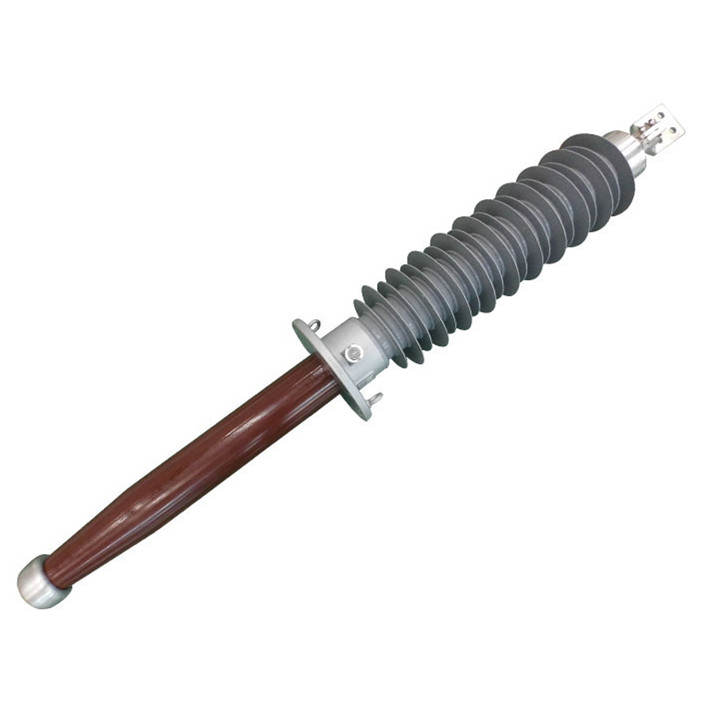

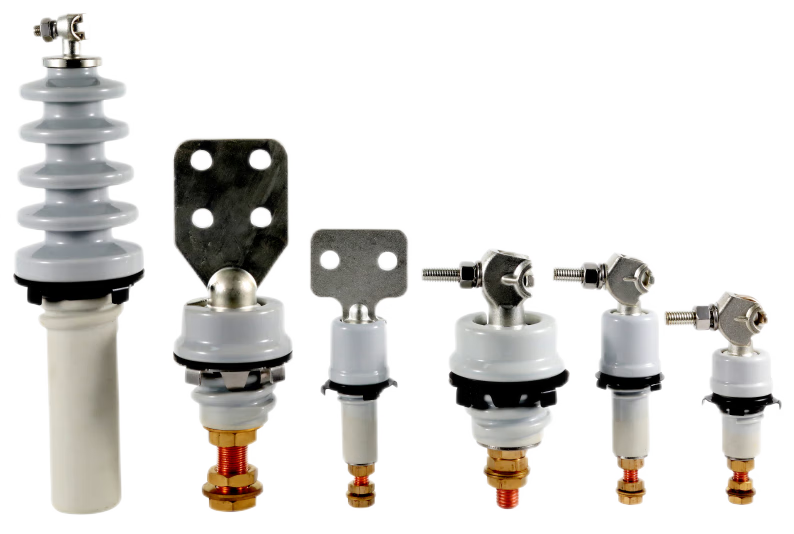

In the world of electrical engineering, the choice of insulators plays a critical role in the efficiency and reliability of power systems. High voltage power line insulators are essential components that ensure the safe and efficient transmission of electricity across vast distances. As high voltage insulators manufacturers continue to innovate, two materials have stood the test of time: porcelain and glass. These materials are favored for their durability and performance under various environmental conditions. This article delves into the nuances of selecting between porcelain and glass insulators, their impact on power system reliability, and a cost-benefit analysis to guide your decision-making process.
Table of contents:
How to Choose Between High Voltage Porcelain and Electrical Glass Insulators
Enhancing Power System Reliability with RTV-Coated Glass Insulators
The Impact of Insulator Material on Performance and Maintenance
Cost-Benefit Analysis: Porcelain vs. Glass Insulators
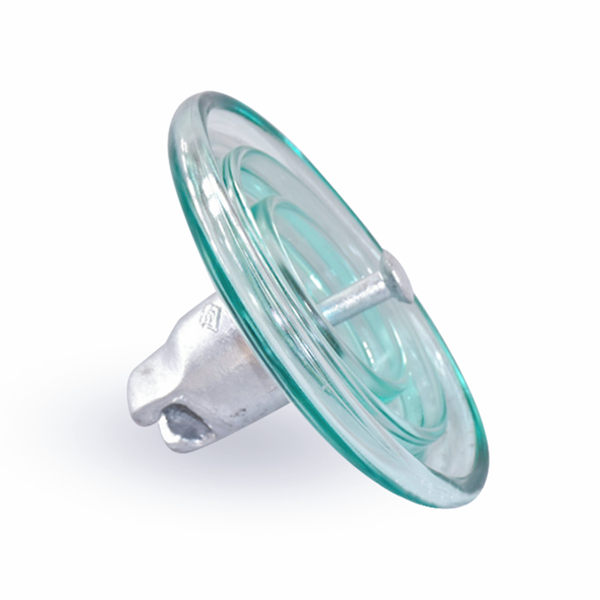
Selecting the right type of insulator is crucial for maintaining the integrity of high voltage power lines. Porcelain insulators are renowned for their robustness and ability to withstand mechanical stress, making them a popular choice among high voltage insulators manufacturers. On the other hand, electrical glass insulators offer superior visibility and ease of inspection due to their transparency, which can be particularly advantageous in identifying potential faults. When choosing between these two, consider the specific environmental conditions and mechanical requirements of your application. For instance, porcelain might be preferable in areas prone to vandalism due to its toughness, while glass can be advantageous in environments where quick visual inspections are necessary.
RTV-coated glass insulators are a game-changer in enhancing the reliability of power systems. These insulators, produced by leading high voltage insulators manufacturers like Nanjing Rainbow Electric Co., Ltd. (NJREC), are designed to operate efficiently in polluted, coastal, and ultra-high-voltage environments. The RTV coating provides superior hydrophobicity, reducing the risk of contamination and increasing the lifespan of the insulators. Additionally, the coating enhances mechanical and arc performance, making these insulators ideal for high-stress applications. The self-cleaning capabilities and easy failure detection further contribute to maintaining system reliability, ensuring that high voltage power line insulators continue to perform optimally even in challenging conditions.
The material of high voltage power line insulators significantly impacts their performance and maintenance requirements. Porcelain insulators are known for their excellent mechanical strength and resistance to environmental degradation, which minimizes maintenance needs. However, they can be heavier and more challenging to handle during installation. In contrast, glass insulators are lighter, which can simplify installation and reduce labor costs. The transparency of glass also facilitates easier detection of internal defects, allowing for timely maintenance and preventing potential failures. Ultimately, the choice between porcelain and glass should be based on a comprehensive assessment of performance needs, installation logistics, and long-term maintenance considerations.
When evaluating the cost-effectiveness of high voltage power line insulators, both porcelain and glass present distinct advantages. Porcelain insulators, while potentially more expensive upfront due to their robust construction, often result in lower long-term costs thanks to their durability and reduced need for frequent replacements. Conversely, glass insulators may offer a lower initial cost and savings in installation due to their lighter weight, but they might require more frequent inspections and maintenance. High voltage insulators manufacturers often provide detailed cost analyses to help utilities and engineers make informed decisions. It is essential to weigh the initial costs against the long-term benefits and maintenance expenses to determine the most economically viable option for your specific application.
In summary, the choice between porcelain and glass high voltage power line insulators depends on a variety of factors, including environmental conditions, mechanical requirements, and budget constraints. High voltage insulators manufacturers like NJREC offer a range of options tailored to meet diverse needs, ensuring that power systems remain efficient and reliable. By considering the performance, maintenance, and cost implications of each material, engineers and decision-makers can select the most appropriate insulator to maximize the efficiency and longevity of their power systems. Whether opting for the ruggedness of porcelain or the transparency and ease of inspection offered by glass, the right choice will contribute significantly to the success and sustainability of electrical infrastructure.