

In the realm of electrical engineering, the importance of insulators cannot be overstated. These components play a critical role in ensuring the safety and efficiency of high-voltage systems. High voltage insulators manufacturers are at the forefront of developing innovative solutions to meet the demands of modern infrastructure. Their expertise ensures that insulators are not only effective in preventing electrical failures but also durable enough to withstand harsh environmental conditions. As we delve into the specifics of high voltage power line insulators, we will explore their functions, designs, and the critical factors that influence their performance in challenging environments. Understanding these elements is essential for engineers and decision-makers who are responsible for maintaining reliable electrical networks.
Table of contents:
Understanding the Function of High Voltage Porcelain Insulators
Electrical Glass Insulators: Design and Application Insights
The Importance of RTV Coating for Insulator Durability
Selecting the Right Insulator for Challenging Environments
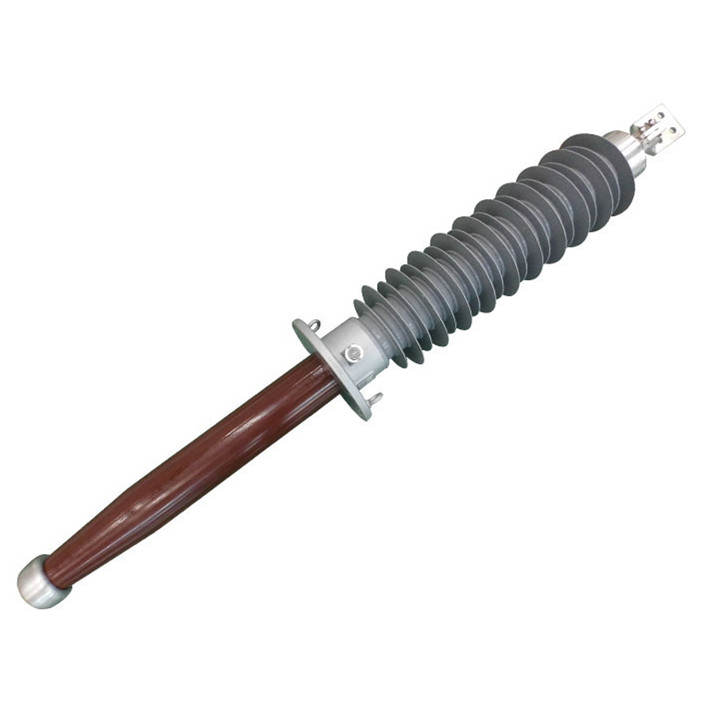
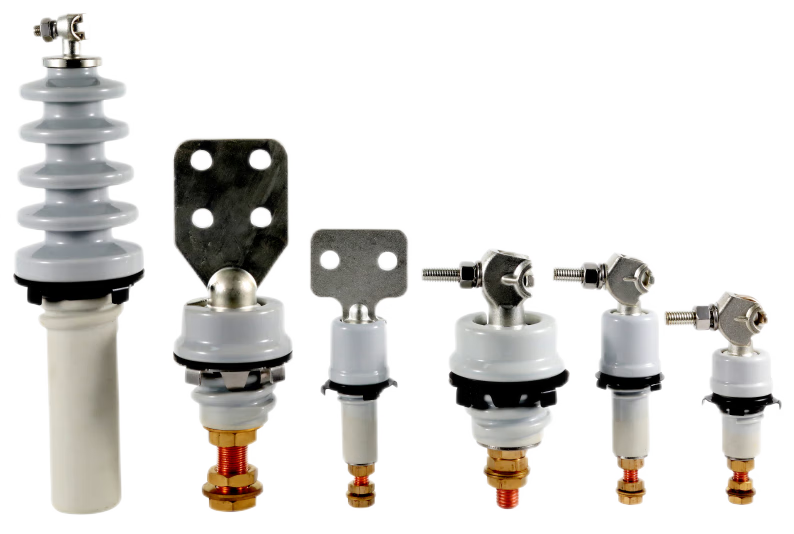
High voltage porcelain insulators serve as a critical component in electrical systems, providing the necessary isolation between conductive parts and the grounded structure. These insulators are designed to withstand high voltages, preventing electrical currents from escaping and causing outages or damage. The use of porcelain as a material is due to its excellent dielectric properties and mechanical strength, making it ideal for high voltage applications. High voltage power line insulators, often crafted from porcelain, are strategically placed along transmission lines to ensure uninterrupted power flow. The design of these insulators takes into account factors such as mechanical load, environmental conditions, and electrical stress, ensuring they perform reliably under various scenarios. As high voltage insulators manufacturers continue to innovate, the efficiency and safety of electrical systems are significantly enhanced.
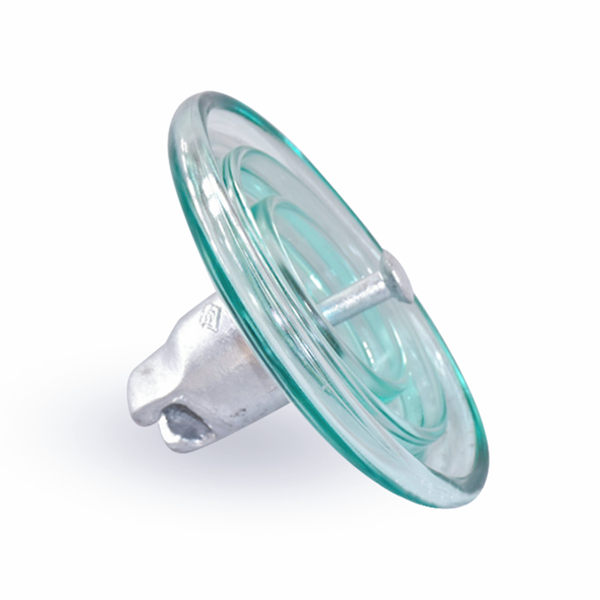
Glass insulators have become a popular choice in the electrical industry due to their transparency, which allows for easy detection of damage or contamination. These insulators are particularly favored for high voltage power line insulators because of their superior hydrophobicity and self-cleaning properties. The design of glass insulators includes features that enhance their performance in polluted or coastal environments, where salt and grime can compromise the integrity of other materials. High voltage insulators manufacturers focus on creating products that not only meet international standards but also exceed expectations in terms of durability and reliability. The application of glass insulators in high voltage systems is a testament to their effectiveness in maintaining electrical stability and reducing maintenance costs over time.
RTV (Room Temperature Vulcanizing) coating is a significant advancement in the field of insulators, providing an additional layer of protection against environmental pollutants. This coating enhances the hydrophobic properties of insulators, making them more resistant to moisture and dirt accumulation. High voltage power line insulators with RTV coating are particularly advantageous in areas with high pollution levels, as they maintain their performance despite adverse conditions. The coating also contributes to the mechanical strength and arc resistance of the insulators, ensuring they remain functional and safe over extended periods. High voltage insulators manufacturers are increasingly adopting RTV coating in their products, recognizing its role in prolonging the lifespan and effectiveness of insulators in various applications.
Choosing the appropriate insulator for high voltage applications involves considering several factors, including environmental conditions, mechanical requirements, and electrical specifications. High voltage power line insulators must be robust enough to withstand extreme weather, pollution, and mechanical stress. Manufacturers offer a range of insulator profiles, such as Standard, Fog, Open, External Shed, and Double Shed, each designed to address specific challenges. Understanding the unique characteristics of these profiles allows engineers to make informed decisions, ensuring the reliability and safety of electrical systems. High voltage insulators manufacturers play a crucial role in providing guidance and expertise, helping clients select the best insulator solutions for their needs. By prioritizing quality and innovation, these manufacturers ensure that their products meet the rigorous demands of modern infrastructure.
In summary, insulators are indispensable components in high voltage applications, ensuring the safe and efficient operation of electrical systems. High voltage insulators manufacturers are dedicated to advancing the technology and design of these critical components, offering solutions that meet the diverse needs of today's infrastructure. From porcelain and glass insulators to the innovative use of RTV coatings, the industry continues to evolve, providing reliable and durable options for various environments. As the demand for electricity grows, the role of insulators in maintaining stable and secure power distribution networks becomes increasingly vital. By understanding the intricacies of insulator design and application, stakeholders can ensure the longevity and performance of their electrical systems, safeguarding against potential failures and optimizing operational efficiency.